


Vietnam’s tuna exports showed signs of recovery in June 2026, reaching nearly $88 million, up 31% year on year. As a result, total tuna export value for the first six months of the year stood at around $455 million, down just 1.6% from the same period in 2025.
However, the recovery remains uneven across markets. The United States and European Union continue to face trade and import-related pressures, increasing the importance of cost control, transit time management and maintaining product quality throughout the Frozen Chain.
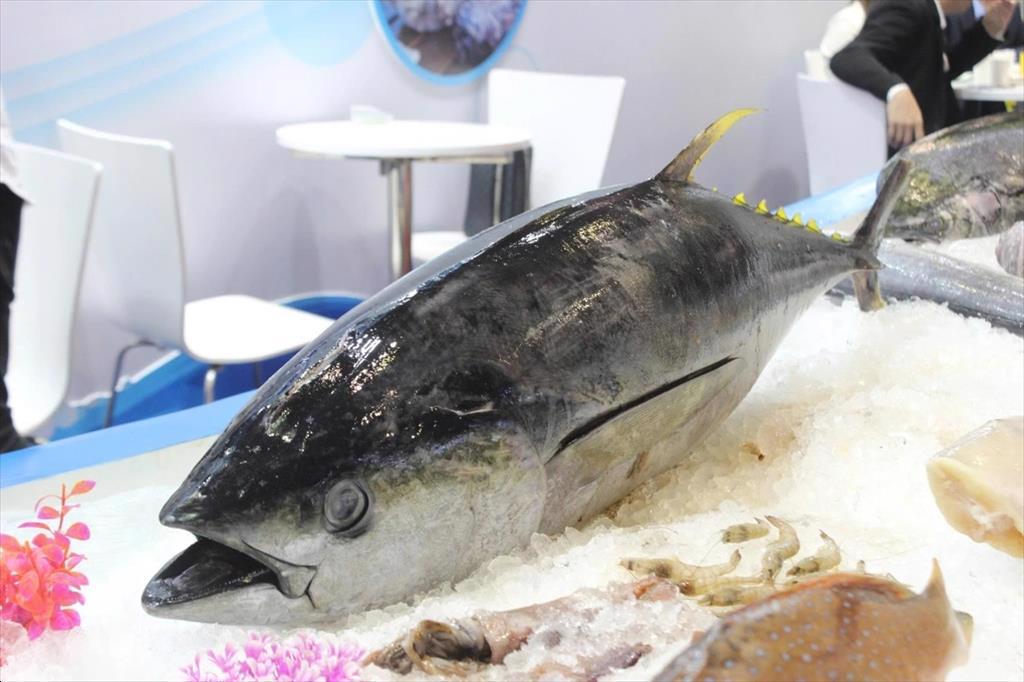
Vietnam Tuna Exports Rise 31% in June
According to data from Vietnam Customs, tuna exports in June 2026 reached nearly $88 million, an increase of 31% compared with June 2025. This marked a strong rebound after exports declined consistently from February through May.
During the first half of the year, the United States remained Vietnam’s largest tuna export market, with exports worth around $176 million, accounting for 39% of total tuna export value, although this was down 2%.
Exports to the European Union totaled nearly $88 million, a decline of 18%.
Meanwhile, several alternative markets recorded strong growth, including Russia (+83%), the Philippines (+31%), Egypt (+29%), Israel (+17%), CPTPP markets (+6%) and the Middle East (+12%).
The figures indicate that Vietnam’s tuna industry is increasingly looking to alternative markets as uncertainty continues in its major export destinations.
U.S. Market Sees Strong Demand for Faster Deliveries
The U.S. market remains an important factor in logistics planning for Vietnamese tuna exporters. Tuna exports to the United States reached nearly $35.9 million in June, marking a significant increase compared with the same period last year.
With businesses facing uncertainty over tariffs and trade regulations, efficient transit time management and consistent temperature control are becoming increasingly important. Frozen tuna must remain within appropriate temperature conditions throughout the entire journey from origin to final destination.
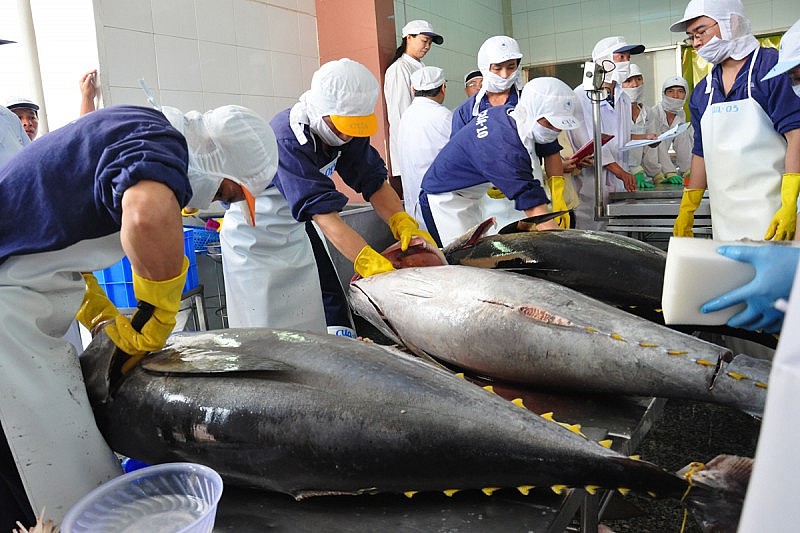
What Is the Frozen Chain and Why Does It Matter?
Frozen Chain, also known as the frozen cold chain, is a temperature-controlled logistics system designed to maintain frozen products under consistent conditions throughout storage, handling and transportation.
For frozen tuna exports from Vietnam, the supply chain can include:
Fishing vessel → Processing plant → Cold storage → Reefer truck → Port → Reefer Container → Vessel → Destination port → Cold storage → Customer
The key objective is to prevent a Temperature Break or Temperature Excursion, where temperature deviations may affect product quality.
Why Is Frozen Chain Important?
Proper temperature control helps reduce the risk of partial thawing, refreezing, moisture loss, texture deterioration and other quality problems.
For high-value tuna products, Frozen Chain is not simply about keeping fish cold. It is about protecting product quality and value throughout the entire supply chain.
Reefer Containers Are Critical for Frozen Tuna Shipping
Reefer Containers play a central role in the maritime transportation of frozen tuna. Before loading, exporters and logistics providers should ensure that:
- The refrigeration system is operating properly
- The temperature set point is appropriate for the cargo
- The container is clean and free from damage
- Doors and seals are in good condition
- There is no abnormal water or moisture inside the container
- Cargo is loaded without blocking proper airflow
Using a Temperature Data Logger can also provide continuous temperature records throughout the shipment and support investigations in the event of a quality issue.
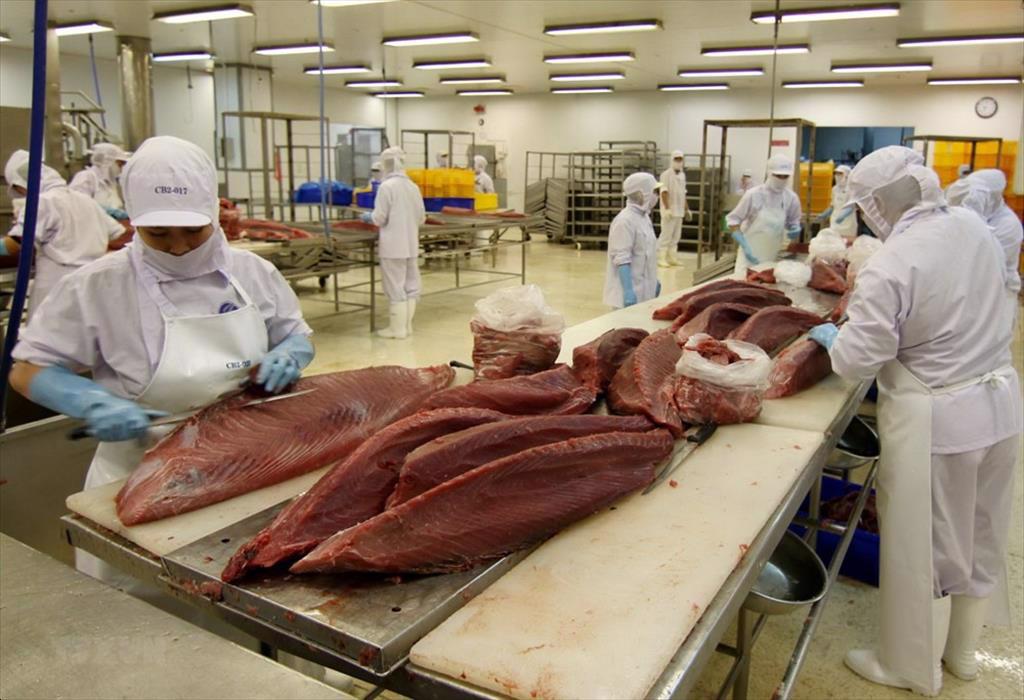
Monitor Core Temperature, Not Just Reefer Air Temperature
Another important consideration is Core Temperature, or the internal temperature of the product.
The air temperature displayed by a Reefer Container does not necessarily mean that the internal temperature of the tuna is exactly the same. Monitoring both Air Temperature and Product/Core Temperature can therefore provide more comprehensive quality control, particularly for large tuna products or densely packed frozen cargo.
Frozen Chain, Food Safety and Traceability
Frozen tuna logistics are closely linked to Food Safety, HACCP and Traceability. Businesses should be able to trace a shipment from its source through the processing plant, cold storage facility, transport operation and container to the vessel, destination port and final customer.
A practical supply chain model is:
Fish → Batch → Container → Voyage → Customer
This approach allows businesses to identify where a quality issue may have occurred and respond more quickly when corrective action is required.
Outlook: Vietnam Tuna Exports Recover, but Supply Chain Resilience Matters
Although Vietnam tuna exports are showing signs of recovery, the market remains exposed to trade measures and international competition. As a result, effective management of Frozen Chain, Reefer Containers, transit time and traceability will remain important for exporters seeking to protect product quality and maintain competitiveness.
For seafood businesses, choosing logistics partners with expertise in Cold Chain and Frozen Cargo can help reduce transportation risks and support the reliable movement of frozen tuna from Vietnam to international markets.
Source :
www. globthailand.com
PACIFIC STAR LOGISTICS CO.LTD
📞 +84 938 111 005
📩 info@pasl.com.vn
🏘️27-29 Ngo Thi Bi Street, Tan Hung Ward, Hochiminh City