


Vietnam’s tilapia exports reached US$104 million in the first nine months of 2026, up 47% year on year. Brazil emerged as the largest export market, while Saudi Arabia and Japan recorded strong growth, creating new opportunities for Vietnam’s seafood industry.
Vietnam’s Tilapia Exports Rise 47% in the First Nine Months of 2026
According to the Vietnam Association of Seafood Exporters and Producers (VASEP), Vietnam’s tilapia export value totaled US$104 million in the first nine months of 2026, representing a 47% increase compared with the same period in 2025. In September alone, exports reached US$13 million, up 86% year on year.
The results highlight tilapia’s growing potential within Vietnam’s seafood export sector. However, export performance varied significantly across markets, while a substantial share of revenue remained concentrated in a few key destinations. This underscores the need for exporters to diversify their markets and strengthen their ability to respond to changes in international trade.
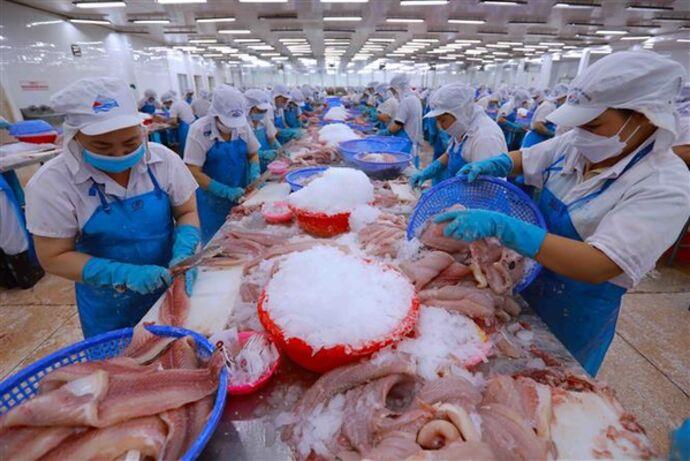
Brazil Leads Vietnam’s Tilapia Export Markets
Brazil became Vietnam’s largest tilapia export market in the first nine months of 2026, with shipments valued at US$48 million, up 6,925% year on year. September exports reached US$4 million, an increase of 781% compared with the same month last year.
The sharp rise indicates that Vietnamese tilapia is expanding rapidly in the South American market. However, the exceptionally high growth rate may partly reflect a low comparison base in the previous year. In addition, technical barriers and proposals to restrict imports or introduce import quotas under discussion in Brazil could affect export prospects.
Vietnamese exporters need to closely monitor trade policies, maintain product quality and develop appropriate market-entry strategies to sustain growth.
In contrast, exports to the United States, Vietnam’s second-largest market, declined 42% in the first nine months of the year to US$25 million.
Nevertheless, shipments to the US showed signs of short-term improvement in September 2026. Export value reached US$4 million, up 37% year on year and nearly double the August figure.
This development suggests a possible recovery in import demand, although it is too early to confirm a sustained upward trend. Exporters should closely monitor inventory levels, consumer demand and competitive pressures when adjusting production and delivery plans.
Saudi Arabia Emerges as a Promising Market for Vietnamese Tilapia
Alongside Brazil and the United States, Saudi Arabia has emerged as a notable growth market for Vietnamese tilapia. Exports to the country reached US$10 million in the first nine months of 2026, up 50% year on year. September shipments totaled US$3 million, increasing 231%.
According to the figures provided, Brazil, the United States and Saudi Arabia accounted for approximately 80% of Vietnam’s total tilapia export value during the period. Brazil and the US alone represented around 71%.
This concentration highlights the importance of major export destinations while exposing the sector to potential risks if import demand, trade policies or competitive conditions change in these markets.
Japan Opens Opportunities for Higher-Value Vietnamese Tilapia
Vietnam’s tilapia exports to Japan reached approximately US$2 million in the first nine months of 2026, up 74% year on year. Japan is also Vietnam’s largest tilapia import market within the Comprehensive and Progressive Agreement for Trans-Pacific Partnership (CPTPP).
Notably, Vietnamese tilapia fillets have been introduced into Japanese restaurant chains serving sushi and sashimi. Access to this market segment creates opportunities to increase product value and reduce reliance on price-based and volume-driven competition.
However, Japan imposes stringent requirements on product quality, food safety and traceability. Vietnamese exporters must therefore strengthen raw material controls, improve processing procedures and maintain consistent quality to meet buyers’ expectations and secure additional orders.
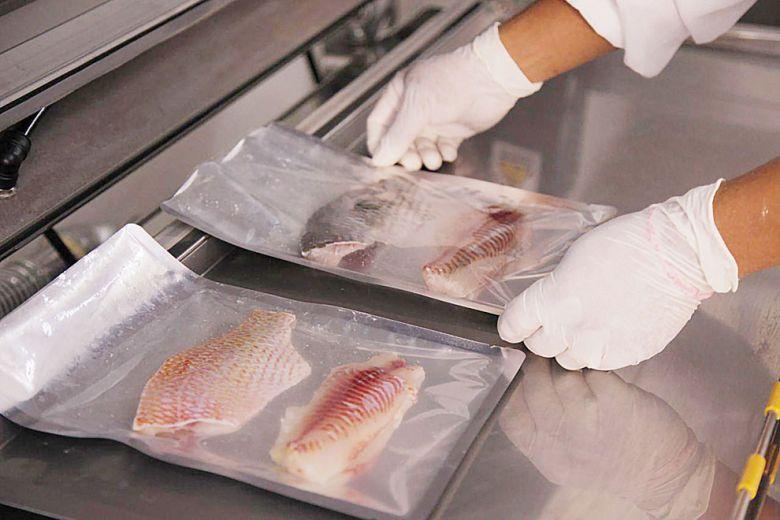
Tilapia Exports to the CPTPP and EU Show Mixed Performance
Vietnam’s tilapia exports to CPTPP member markets totaled US$7 million in the first nine months of 2026, up 51% year on year. September exports reached US$663,000, an increase of 53%.
The results indicate that CPTPP markets continue to contribute to export growth, although their combined value remains relatively modest compared with Brazil and the United States.
Meanwhile, exports to the European Union (EU) reached US$4 million during the nine-month period, up 2% year on year. However, September shipments fell 50% to US$178,000.
The contrast between cumulative results and September performance suggests that demand in the EU remains uneven. Exporters need to better understand consumer preferences, identify suitable product segments and strengthen competitiveness across individual EU member states.
According to VASEP, other markets, including the Dominican Republic, the Netherlands and ASEAN countries, have also shown signs of growth. Expanding customer networks in these destinations could help Vietnamese exporters diversify their sales and reduce dependence on a limited number of major markets.
Market Diversification Key to Sustaining Vietnam’s Tilapia Export Growth
In 2025, Vietnam’s tilapia export value reached approximately US$99 million, increasing by more than 140% from the previous year. In 2026, exports surpassed that figure within the first nine months, reaching US$104 million and highlighting the sector’s continued expansion.
However, rising export revenue does not necessarily mean that the industry has established a stable and diversified market base. Heavy reliance on Brazil and the United States could expose exporters to significant risks when import policies, consumer demand or competitive conditions change.
To sustain long-term growth, Vietnamese tilapia exporters should focus on three priorities.
First, strengthen existing markets by monitoring import policies, tracking demand and improving their ability to meet buyers’ requirements in Brazil and the United States.
Second, increase value-added processing by investing in processing technology, quality control and traceability systems. These improvements can enhance product value and help exporters meet the stringent requirements of markets such as Japan and the EU.
Third, expand into new export destinations by exploring opportunities in CPTPP markets, the Middle East, ASEAN and Europe. A broader customer base would help reduce market concentration risks and create additional growth opportunities.
With strong export performance in the first nine months of 2026, Vietnamese tilapia is gaining momentum in international markets. Sustaining this growth over the long term, however, will depend on market diversification, higher product quality and greater value addition, enabling the sector to strengthen its competitiveness in global seafood trade.
Source:
https://thuongtruong.com.vn
https://thuonghieusanpham.vn
PACIFIC STAR LOGISTICS CO.LTD
📞 +84 938 111 005
📩 info@pasl.com.vn
🏘️27-29 Ngo Thi Bi Street, Tan Hung Ward, Hochiminh City