

Hapag-Lloyd has announced the suspension of new cargo bookings to three major Philippine ports—Manila, Batangas, and Subic Bay—due to port congestion, limited container storage capacity, and delays in empty container returns. The measure takes effect immediately and is scheduled to remain in place until December 31, 2026.
Meanwhile, Emirates Shipping Line (ESL) has announced that it will stop accepting shipments of plastic waste under Harmonized System (HS) code 3915 effective October 1, 2026. These developments reflect a broader trend of shipping lines tightening booking restrictions amid operational constraints and environmental compliance requirements.
Both developments are important for importers, exporters, and logistics service providers, who must pay closer attention to shipping conditions and plan their cargo movements more carefully.
Hapag-Lloyd Suspends New Bookings to Manila, Batangas, and Subic Bay
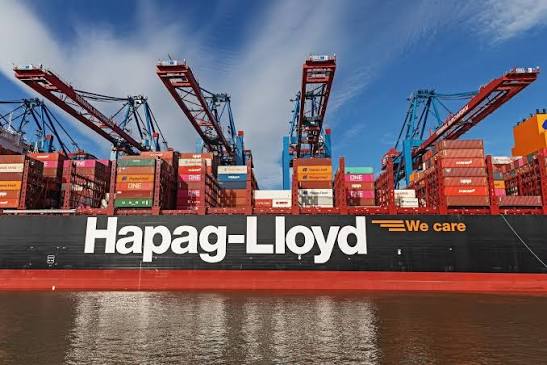
Hapag-Lloyd has informed its customers that it will temporarily stop accepting new cargo bookings to the Philippine ports of Manila, Batangas, and Subic Bay from all origins and across all trade lanes.
The measure takes effect immediately and is scheduled to remain in place until December 31, 2026, with the aim of reducing operational pressure at the three ports.
The main reasons behind the suspension include port congestion, limited container storage space, and difficulties returning empty containers. These issues have disrupted container turnaround and reduced cargo transportation efficiency.
However, the suspension does not automatically mean that existing bookings will be canceled. Customers with cargo already in transit or confirmed bookings should contact Hapag-Lloyd to verify the status of their shipments and determine the appropriate arrangements for each booking.
How Should Importers and Exporters Prepare?
Businesses planning to ship cargo to the Philippines should verify booking availability with shipping lines and confirm destination port conditions before finalizing transportation arrangements. Particular attention should be paid to the following areas:
- Cargo bookings: Check whether shipping lines are still accepting bookings to the intended destination ports.
- Empty container returns: Confirm return locations and conditions with the service provider.
- Cargo storage capacity: Verify the availability of warehouse space and container yards.
- Shipping schedules: Allow additional time for potential delays and assess alternative transportation options.
- Logistics costs: Evaluate additional expenses that may arise from changes to shipping arrangements.
Advance planning can help reduce the risk of supply chain disruptions and delayed deliveries.
Empty Container Backlogs Are a Major Cause of Port Congestion
The Philippine Ports Authority (PPA) has identified the expansion of empty container storage areas as one of the most immediate measures for easing port congestion.
Jay Santiago, General Manager of the PPA, explained that additional empty container yards would make it easier for truck drivers to return empty containers and collect import-laden containers for onward transportation more quickly.
In the past, some truck drivers have been unable to return empty containers because designated return yards refused to accept them. As a result, trucks were forced to remain idle, losing opportunities to handle other transportation jobs.
This problem has slowed the circulation of containers back into the system and increased pressure on storage areas within ports.
PPA Recommends Expanding Container Yards Outside Metro Manila
The PPA has proposed that shipping lines consider establishing additional empty container storage yards in areas surrounding Metro Manila, including Valenzuela, Bulacan, Cavite, and Laguna, as land near ports is limited.
However, using yards farther away from ports inevitably increases the cost of transporting empty containers. This raises questions about which parties—shipping lines, trucking operators, or other stakeholders—should bear these additional expenses.
Addressing the problem will therefore require cooperation among shipping lines, container yard operators, trucking companies, and port authorities.
TOP-CRMS Project Remains Controversial
Previously, the PPA proposed the Trusted Operator Program–Container Registry and Monitoring System (TOP-CRMS) to electronically track containers and introduce a container insurance system.
However, the project faced opposition from stakeholders, and the PPA Board resolved to suspend it indefinitely in 2023.
In addition, a regulatory impact assessment by the Anti-Red Tape Authority found insufficient legal evidence and empirical data to establish the necessity of the project.
This issue highlights the need to consider operational efficiency, costs, and the appropriateness of regulatory measures when addressing port congestion.
Emirates Shipping Line Stops Accepting Plastic Waste Shipments
Another significant development in the shipping industry is that Emirates Shipping Line (ESL) has announced that it will stop accepting plastic waste shipments classified under HS code 3915 effective October 1, 2026.
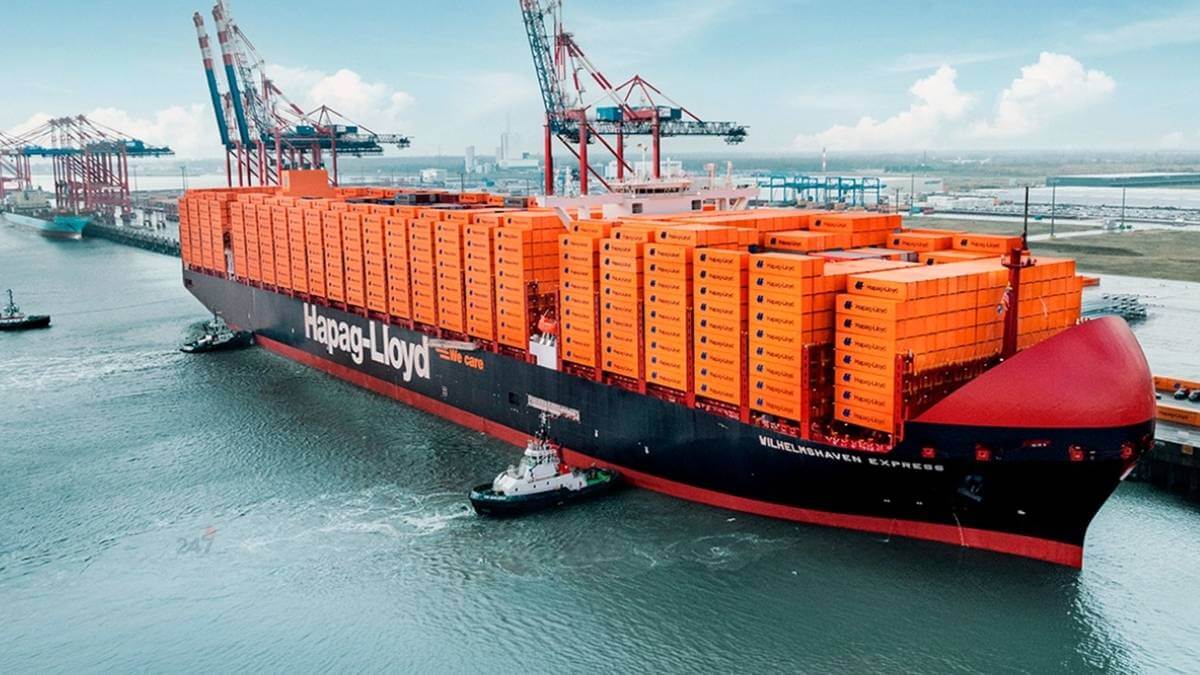
The restriction covers plastic waste, scrap, and waste products made of plastic. It does not apply to all plastic products in general.
ESL stated that the change is consistent with its commitment to responsible cargo transportation and reflects growing environmental concerns.
The company also warned that misdeclaring cargo information to circumvent the restrictions could result in blacklisting or penalties for providing false information.
This move follows CMA CGM’s announcement in 2022 that it would suspend the transportation of plastic waste, making ESL another major shipping line to impose restrictions on this category of cargo.
Implications for Exporters and Logistics Service Providers
Exporters should verify cargo descriptions, customs classifications, and shipping line acceptance requirements before making bookings, particularly for shipments involving plastic waste or recyclable materials.
Accurate cargo declarations are essential. Incorrect classification or incomplete information may result in cargo rejection, additional charges, and delivery delays.
Conclusion: Shipping Businesses Must Closely Monitor Restrictions
Hapag-Lloyd’s suspension of new bookings to Philippine ports and ESL’s decision to stop accepting plastic waste shipments demonstrate that shipping lines are placing greater emphasis on managing operational constraints and tightening controls over the types of cargo they accept.
For importers, exporters, and logistics providers, staying informed about booking restrictions, container return procedures, and cargo acceptance policies will be increasingly important for maintaining supply chain efficiency and minimizing unexpected costs.
Source :
PACIFIC STAR LOGISTICS CO.LTD
📞 +84 938 111 005
📩 info@pasl.com.vn
🏘️27-29 Ngo Thi Bi Street, Tan Hung Ward, Hochiminh City