


The MSC Carla is one of the most prominent maritime accident case studies in the shipping industry, following an incident on November 24, 1997, when the container ship broke into two sections after encountering severe storms in the North Atlantic Ocean.
While the incident resulted in no crew fatalities, it became a critical lesson regarding structural strength, ship lengthening (jumboization), welding workmanship, and hazardous cargo safety, as some of the lost containers contained hazardous chemicals and radioactive materials.
What Happened to the MSC Carla?
On November 24, 1997, the MSC Carla was voyaging from Le Havre, France, to Boston, USA. While sailing through the North Atlantic Ocean near the Azores, the vessel encountered severe storms and massive waves.
The forces exerted by the harsh sea conditions subjected the ship’s structure to extreme stress before the hull ultimately broke into two parts.
All 34 crew members successfully evacuated the vessel with no reported casualties. The two sections were handled differently thereafter: the bow section eventually sank, while the stern section remained afloat and was towed to Spain for scrapping.
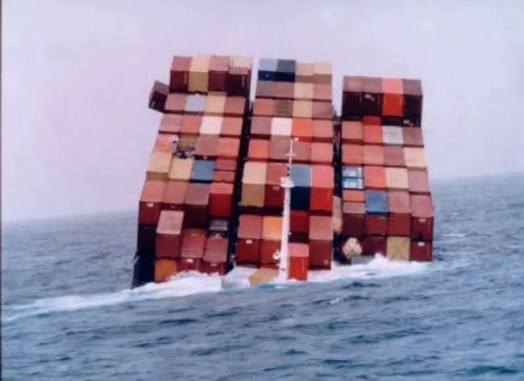
Causes of the MSC Carla Fracture
One of the key factors highlighted in this accident is jumboization (ship lengthening).
Prior to the incident, the vessel had been modified by cutting the hull into two pieces and inserting an approximately 15-meter midsection, which was then welded back into place to increase container-carrying capacity.
Over time, this modification joint had to repeatedly withstand stresses and forces at sea. Combined with potential design and manufacturing flaws, this area became highly susceptible to structural fatigue. When the vessel faced severe storms, the massive hydrodynamic forces caused this vulnerable section to fail, leading to the catastrophic hull fracture.
Carrying Over 2,300 Containers
At the time of the incident, the MSC Carla was carrying approximately 2,319 containers. A portion consisted of general cargo, while others contained hazardous materials, such as:
- Flammable substances
- Toxic substances
- Corrosive substances
- Hazardous materials and chemicals
- Radioactive materials
The bow section drifted at sea for several days before sinking into deep waters approximately 3,000 meters deep. This incident resulted in a number of containers being lost to the ocean, making it a landmark case concerning Maritime Safety and Dangerous Goods Transportation.
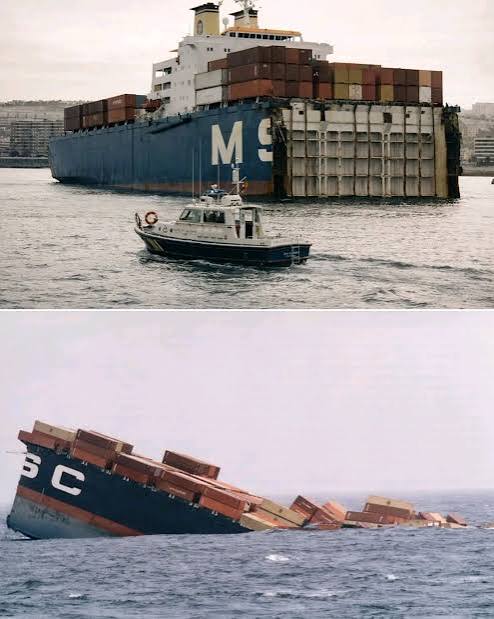
MSC Carla and Cesium-137 Radioactive Materials
One of the aspects that drew intense attention to the MSC Carla incident was the presence of medical equipment utilizing Cesium-137 (Cs-137) sources inside a cargo container.
According to case study data, the shipment included 3 biological irradiators containing Cs-137 radioactive sources with a total activity of approximately 326 TBq.
Despite concerns over the loss of radioactive material into the deep ocean, there were no reports of radioactive release into the environment from the incident. This case underscored the vital importance of cargo classification, proper packaging, labeling, declaration, and tracking of Dangerous Goods throughout the entire transport chain.
Lessons from the MSC Carla on Dangerous Goods Transport
The MSC Carla accident serves as a critical case study for the container shipping and international logistics industries, particularly across four key areas:
- Ship Structural Strength: The design, modification, and lengthening of ships must account for cumulative forces throughout their operational lifespan, rather than just structural integrity when newly built.
- Material Fatigue and Welds: Ship structures continuously endure repetitive forces from waves, wind, and cargo loads. Joints and welding work require rigorous, regular inspections.
- Dangerous Goods Management: The maritime transport of hazardous goods demands accurate classification, packaging, labeling, and stowage to mitigate risks during an emergency.
- Traceability and Emergency Response: The loss of containers at sea demonstrated that cargo data tracking and emergency response planning are essential elements of the supply chain, especially for high-risk goods.
MSC Carla and the Importance of Maritime Safety
The MSC Carla incident demonstrated that container ship accidents extend far beyond hull damage or lost cargo; they also pose severe implications for the environment, public safety, and high-risk cargo management.
Particularly in an era where vessels are growing larger and capable of carrying massive volumes of containers, controlling structural strength, monitoring weld integrity, and managing Dangerous Goods are more critical than ever.
Summary
The MSC Carla remains one of the most defining container ship accidents reflecting the challenges of the maritime industry across Structural Safety, Ship Modification, Dangerous Goods, and Maritime Logistics.
The fact that the ship broke in two in the middle of the ocean while carrying hazardous cargo and Cesium-137 sources ensures that this event continues to serve as an invaluable case study for developing safety standards in marine transportation and global supply chain management.
Source :
PACIFIC STAR LOGISTICS CO.LTD
📞 +84 938 111 005
📩 info@pasl.com.vn
🏘️27-29 Ngo Thi Bi Street, Tan Hung Ward, Hochiminh City