

Amid ongoing geopolitical tensions in the Middle East and rising fuel costs, A.P. Moller – Maersk has announced an adjustment to its fuel surcharge for truck transportation services in Cyprus. According to the latest announcement published on November 20, 2026, the new surcharge will be set at 15%, effective November 23, 2026.
This adjustment highlights how geopolitical developments and fluctuations in energy prices continue to put pressure on transportation operations and global supply chains, affecting not only ocean freight but also road transportation activities within the logistics network.
Maersk Adjusts Fuel Surcharges Amid Rising Transportation Costs
According to Maersk’s official announcement, the current situation in the Middle East, combined with rising fuel costs, has prompted the company to review its existing surcharge structure to offset additional operating expenses.
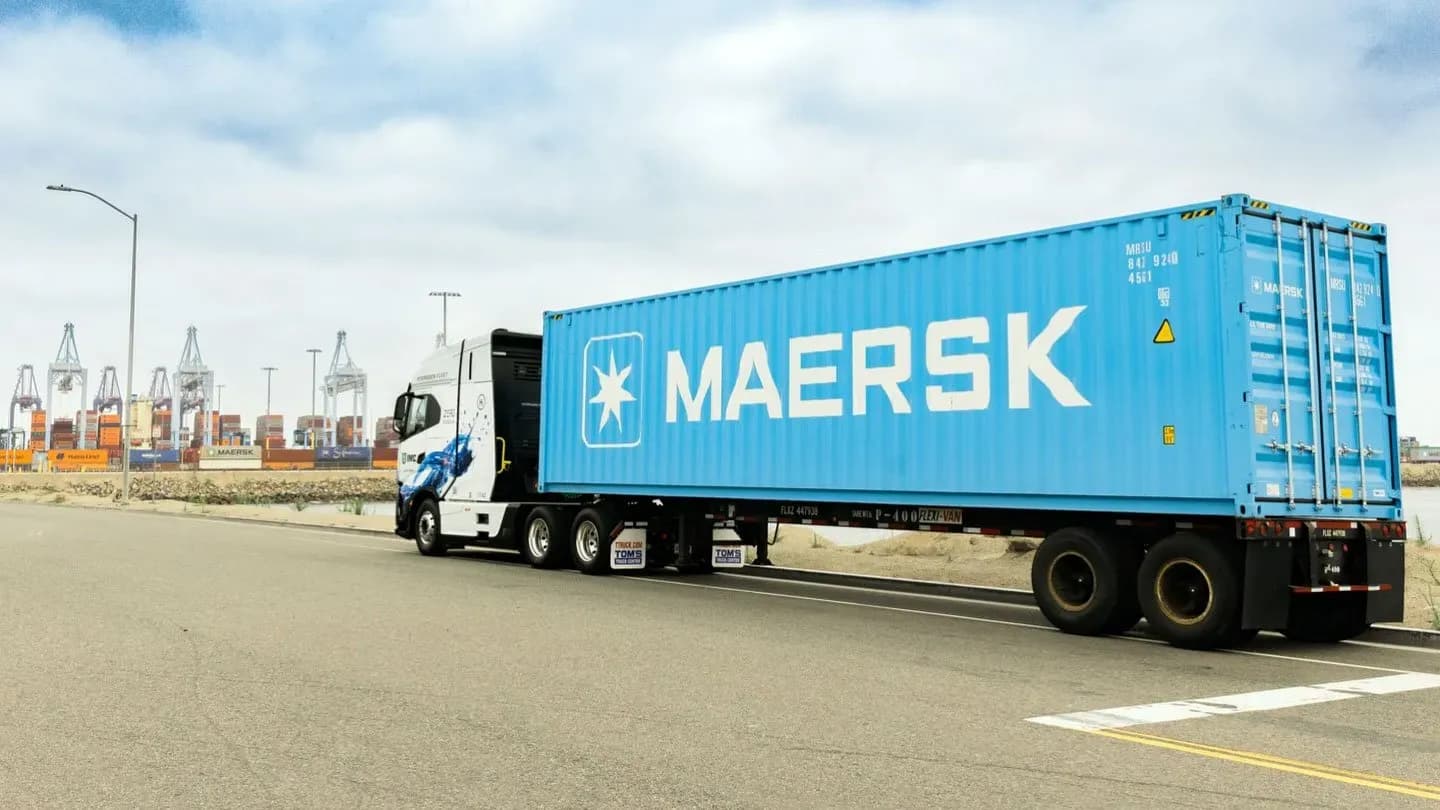
Specifically, effective November 23, 2026, the fuel surcharge for truck transportation services in Cyprus will be set at 15%. This special measure will remain in effect for the coming weeks and applies to road transportation services within the scope of the announcement.
The surcharge will appear on invoices under two separate codes, depending on the direction of transportation:
- EFS (Export Fuel Surcharge): Fuel surcharge applied to export shipments.
- IFS (Import Fuel Surcharge): Fuel surcharge applied to import shipments.
Separating these two surcharge codes allows businesses to identify additional costs according to shipment direction, while also facilitating invoice verification and logistics cost reconciliation.
Maersk stated that the surcharge will remain in place for as long as necessary to offset increased fuel-related expenses. The company will also assess market conditions on a country-by-country basis rather than applying the adjustment uniformly across its entire transportation network.
Shift in Surcharge Review Mechanism: From Monthly to Weekly
One of the most notable aspects of this announcement is Maersk’s decision to change its fuel surcharge review cycle. Instead of maintaining the previous monthly assessment mechanism, the company will move to a weekly review and adjustment schedule.
Under the new arrangement, Maersk will issue updates every Friday, with revised surcharge rates applying to the following week. During this special period, the company will temporarily suspend the application of the usual surcharge trigger conditions.
This change enables the carrier to respond more quickly to fluctuations in fuel costs and changing market conditions. However, for businesses using transportation services, shorter adjustment cycles may make logistics cost forecasting more challenging.
In particular, companies handling shipments that extend across multiple weeks will need to monitor carrier announcements regularly to update their budgets and minimize unexpected transportation expenses.
Pricing Date Rules for Applicable Shipments
In addition to announcing the new surcharge rate, Maersk has clarified how the Price Calculation Date (PCD) is determined for different shipment categories to ensure consistent surcharge application.
For shipments not covered by the Federal Maritime Commission (FMC) regulations, the PCD is determined based on the Estimated Time of Departure (ETD) of the first vessel stated in the latest booking confirmation issued at the customer’s request.
For FMC-regulated shipments, the PCD is determined by the date on which Maersk A/S or one of its authorized agents receives the final container listed in the transport document. For this category, the surcharge has been applicable since June 11, 2026.
Additionally, for import shipments involving an inland transportation leg at the destination port booked after the cargo has departed from the origin port, the applicable surcharge will be determined based on the date the import shipment is created.
These provisions are important in establishing the correct surcharge application date, particularly for shipments involving long transit times or additional inland transportation services arranged during the shipping process.
Impact on Logistics Costs and Import-Export Operations

Maersk’s fuel surcharge adjustment in Cyprus reflects the growing pressure that energy costs are placing on the transportation and logistics industry. As fuel prices rise, transportation providers face higher operating expenses, particularly in road freight activities involving trucks and tractor units.
For importers and exporters, fuel surcharges are among the factors that can directly affect the total logistics cost of each shipment. When additional charges are adjusted, businesses may need to reassess transportation expenses, freight forwarding costs, and budgets allocated to cargo distribution.
Furthermore, Maersk’s transition to weekly surcharge reviews creates a greater need for businesses to stay updated on market developments. Failure to monitor carrier announcements in a timely manner may result in unexpected expenses, potentially affecting financial planning and shipment profit margins.
For companies using integrated logistics services, closer coordination between international freight, inland transportation, and documentation management will also be essential to ensure greater transparency in overall logistics costs.
Businesses Need to Adapt to Changes in the Transportation Market
Given the ongoing uncertainty surrounding fuel costs and geopolitical developments, importers and exporters need to take a more proactive approach to logistics cost management.
Regularly monitoring surcharge announcements from shipping lines, transportation providers, and freight forwarders can help businesses minimize budget-related risks.
In addition, companies should develop flexible transportation plans, regularly review freight quotations, and clarify all applicable surcharges during the booking and planning stages. Timely communication among cargo owners, freight forwarders, and carriers can also help reduce unexpected costs throughout the shipment process.
For logistics service providers, continuously monitoring fuel price fluctuations, tracking carrier pricing policies, and proactively advising customers on suitable transportation solutions will become increasingly important in maintaining supply chain efficiency.
Source:
https://www.elestrechodigital.com
https://dataportuaria.com
https://www.maersk.com
PACIFIC STAR LOGISTICS CO.LTD
📞 +84 938 111 005
📩 info@pasl.com.vn
🏘️27-29 Ngo Thi Bi Street, Tan Hung Ward, Hochiminh City