


The Black Sea is becoming one of the world’s most dangerous regions for commercial shipping as the Russia–Ukraine conflict continues to escalate. More than 570 attacks on vessels have reportedly been recorded this year, killing at least 40 seafarers and driving war-risk insurance costs sharply higher.
Black Sea Shipping Faces Rising Security Threats
According to figures from maritime security firm Ambrey and the International Maritime Organization (IMO), cited by the Financial Times, the Black Sea has recorded more than 570 attacks on vessels this year, resulting in at least 40 seafarer fatalities. The reported death toll exceeds that recorded in the Persian Gulf, a region that has drawn international attention amid tensions surrounding the Strait of Hormuz.
The escalating Russia–Ukraine conflict has exposed cargo ships, oil tankers and chemical carriers operating near Ukraine, Romania and surrounding waters to growing threats from unmanned aerial vehicles (UAVs), missiles and explosive uncrewed surface vessels.
Ambrey estimates that the Black Sea experienced more than four attacks per day on average during the third quarter, with the number of incidents reportedly more than six times higher than in the Persian Gulf.
Oleg Grygoriuk, chairman of Ukraine’s Marine Transport Workers’ Trade Union, has warned that entering the Black Sea and calling at Ukrainian ports can pose a direct threat to seafarers’ lives. Crew members increasingly face the possibility of being caught in attacks while carrying out routine commercial operations.
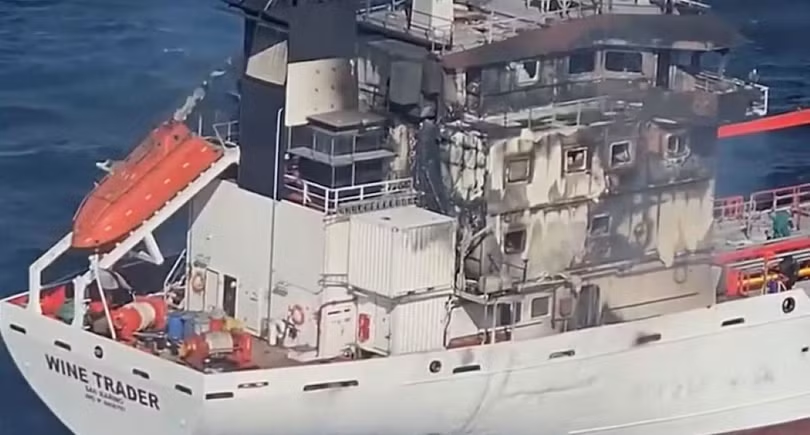
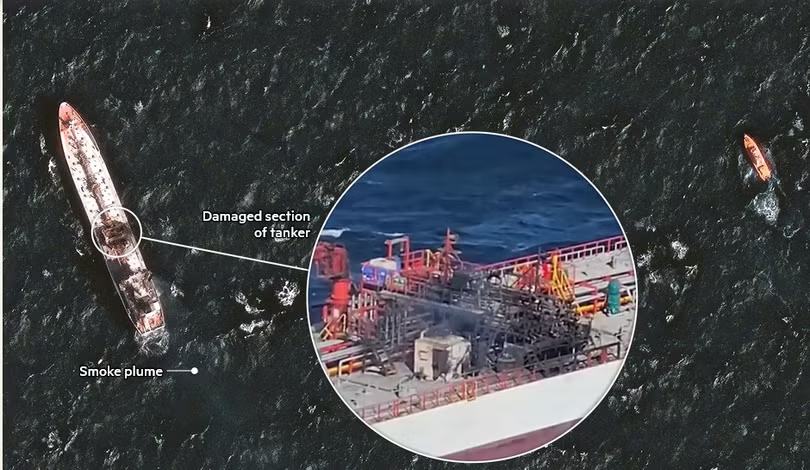
The risks are also spreading beyond waters close to the front lines. In the early hours of October 15, two chemical tankers, Wine Trader and Yara J, were reportedly attacked off the Romanian coast and near the entrance to the Sulina Canal, respectively.
Russia said it had struck five cargo vessels. Meanwhile, Romanian authorities reported that an oil tanker had been attacked, leaving one person dead and three others missing.
The Black Sea is a strategically important maritime corridor for Russian oil exports and global food supplies. Disruptions in the region could affect shipping schedules, cargo deliveries and the stability of international supply chains.
War-Risk Insurance Premiums Surge, Increasing Shipping Costs
Maritime risks in the Black Sea have intensified as retaliatory attacks between Russia and Ukraine expand. Ukrainian drone operations targeting Russian supply chains have reportedly been followed by Russian counterattacks, including strikes against vessels and port infrastructure in Ukraine.
The situation has become increasingly dangerous as attacks reportedly target ship bridges and crew accommodation areas, raising the risk of casualties among seafarers.
In mid-September, the Joint War Committee, which brings together specialist representatives from the London marine insurance market, expanded its list of areas considered to face elevated war risks. The move could prompt insurers to reassess exposure, revise policy conditions and increase premiums for vessels operating in the Black Sea.
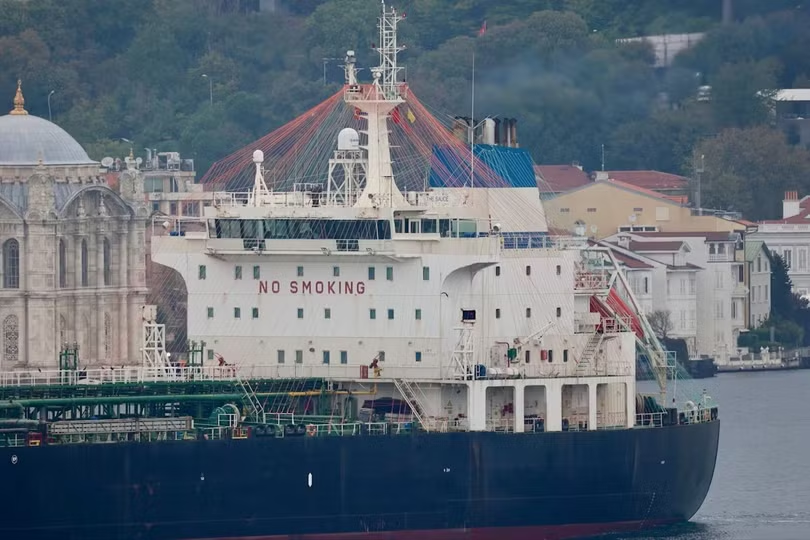
Insurance specialists cited by the Financial Times estimate that war-risk premiums in the region could reach 15% of a vessel’s hull value, nearly twice the level reported for the Persian Gulf.
Rising insurance costs are placing additional financial pressure on shipowners, particularly operators working with narrow profit margins. Some owners are reportedly turning to vessels as old as 50 years to reduce insurance expenses.
However, operating older ships in a high-risk maritime environment raises concerns about operational safety, emergency preparedness and the protection available to crew members.
The combination of heightened security threats, expensive insurance and aging vessels could further complicate commercial shipping operations in the region.
Seafarers Face Life-Threatening Risks and Limited Protection
Beyond the impact on shipping operations, the deteriorating security situation in the Black Sea has raised serious concerns about seafarers’ welfare and labor protections.
Many seafarers working on high-risk routes come from countries such as Syria and Egypt. Economic pressures can push them to accept dangerous assignments to maintain their income.
A Syrian seafarer’s employment contract cited in the Financial Times report reportedly showed a basic monthly salary of around $800. Although earnings may increase through additional payments for working in conflict zones, compensation for families in the event of a seafarer’s death may range from just $25,000 to $50,000.
These amounts offer limited financial protection for families facing the loss of a loved one in an attack involving missiles, UAVs or explosive uncrewed vessels.
Concerns are particularly acute for crews working aboard older vessels that may not be covered by standard collective labor agreements between shipowners and maritime unions. Without adequate contractual protections, seafarers may face unsafe working conditions, limited benefits and insufficient support in emergencies.
As attacks continue, safeguarding crew members has become a major challenge for shipowners, shipping companies and international maritime organizations.
Black Sea Disruptions Put Global Supply Chains Under Pressure
The escalating situation in the Black Sea highlights how geopolitical conflicts can disrupt commercial shipping through multiple channels, including maritime security, insurance costs and the reliability of cargo delivery schedules.
Higher war-risk premiums may force shipowners and shipping operators to reassess operating costs, adjust deployment strategies and consider alternative routes where feasible. These changes could increase logistics expenses, extend transit times and place additional pressure on supply chains involving oil, grain and other internationally traded commodities.
For businesses dependent on maritime transport, greater uncertainty in the Black Sea could complicate freight planning, contract management and delivery commitments. The effects may extend beyond the immediate conflict zone if higher insurance and operating costs are passed on to cargo owners and other supply chain participants.
Looking ahead, maritime security in the Black Sea will remain closely tied to the trajectory of the Russia–Ukraine conflict and efforts to reduce attacks on commercial vessels.
Strengthening seafarer protection, improving maritime risk assessments and developing contingency shipping plans will be essential to limiting disruption and maintaining the resilience of international trade.
The Black Sea is no longer just a military flashpoint. It has also become a significant test of the global shipping industry’s ability to withstand increasingly complex geopolitical disruptions.
Source:
https://viettimes.vn
https://tuoitre.vn
PACIFIC STAR LOGISTICS CO.LTD
📞 +84 938 111 005
📩 info@pasl.com.vn
🌐 www.pasl.com.vn
🏘️27-29 Ngo Thi Bi Street, Tan Hung Ward, Hochiminh City