

What is a Dry Chain?
A Dry Chain refers to the strategic management of products to maintain a strictly controlled, dry state across the entire supply chain—encompassing production, packaging, storage, transportation, and final delivery. Its core objective is to shield goods from moisture exposure that compromises quality or causes structural damage.
For the rice industry, the Dry Chain system sustains optimal moisture levels from the milling stage through packaging, warehousing, and logistics. This protective measure prevents the grain from absorbing environmental moisture, preserving both food quality and consumer safety.
Why is the Dry Chain Critical for Rice?
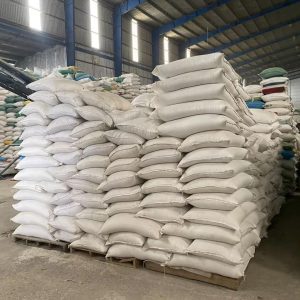
Rice is naturally hygroscopic, meaning it readily absorbs moisture from the surrounding air. Excessive moisture triggers critical degradation risks:
- Mold & Musty Odors: Severely devalues product quality and marketability.
- Mycotoxin Accumulation: Elevates the risk of dangerous fungal toxins that endanger consumer health.
- Grain Clumping: Compromises handling efficiency and usability.
- Pest Proliferation: Creates ideal, high-humidity breeding grounds for pests.
- Reduced Shelf Life: Generates financial losses and inflated operational costs.
Industry Standard: Rice prepared for long-term storage and export typically requires a controlled moisture content of 12–14%, varying by grain variety and strict importing country compliance.
The Strategic Value of Dry Chain in International Logistics
Long-haul maritime shipping, spanning several weeks, demands rigorous standards to ensure the product remains pristine upon arrival.
- Preventing Transit Damage
- Minimizes destructive condensation (“container rain”) inside shipping containers.
- Eliminates the risk of saturated rice sacks and subsequent product spoilage.
- Mitigating Losses and Claims
- Drastically cuts rejection rates caused by mold, odor, or non-compliance.
- Lowers insurance liabilities and compensation payouts.
- Preserving Asset Value and Brand Reputation
- Safeguards the visual appeal, natural aroma, and grain integrity of the rice.
- Builds lasting trust and credibility with domestic and international stakeholders.
- Facilitating Global Trade Compliance
- Ensures seamless alignment with international food safety and quality frameworks.
- Eliminates costly destination-port rejections.
Best Practices for Dry Chain Maintenance
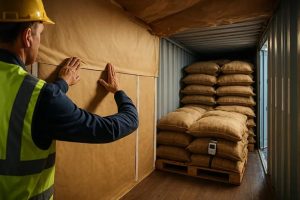
Operationalizing an effective Dry Chain protocol requires strict adherence to industry best practices:
- Conduct rigorous pre-packaging moisture testing.
- Utilize advanced, moisture-resistant packaging materials and sacks.
- Deploy industrial-grade desiccants inside shipping containers.
- Inspect shipping containers to guarantee they are clean, dry, and watertight.
- Secure cargo on pallets, preventing direct contact with floors or container walls.
- Monitor warehouse humidity and restrict loading dock exposure during high-humidity cycles.
- Integrate IoT temperature and humidity sensors for real-time tracking during long-distance transit.
Conclusion
The Dry Chain framework serves as an indispensable moisture-control system that safeguards rice quality throughout storage and international distribution. By mitigating the risks of mold, moisture anomalies, and pest infestation, it significantly extends product shelf life.
For logistics providers and global exporters, master-level Dry Chain execution reduces shrinkage and waste while establishing a reputation for operational excellence—paving the way for sustainable expansion in the global agricultural market.
source :
PACIFIC STAR LOGISTICS CO.LTD
📞 +84 938 111 005
📩 info@pasl.com.vn
🏘️27-29 Ngo Thi Bi Street, Tan Hung Ward, Hochiminh City