


The Singapore-flagged container ship GFS Pride and the Antigua and Barbuda-flagged dry cargo vessel Cape Dao have sunk near the Strait of Hormuz amid an increase in attacks on commercial vessels in the Middle East. Meanwhile, the Singapore-registered container ship GFS Giselle sustained damage in a separate attack but managed to reach a safe anchorage.
The incidents have heightened concerns over the safety of maritime traffic through the Strait of Hormuz, a critical global route for oil and liquefied natural gas (LNG) shipments. The risks extend beyond oil tankers to include container ships and dry cargo vessels.
GFS Pride Sinks After Fire, All 21 Crew Members Safe
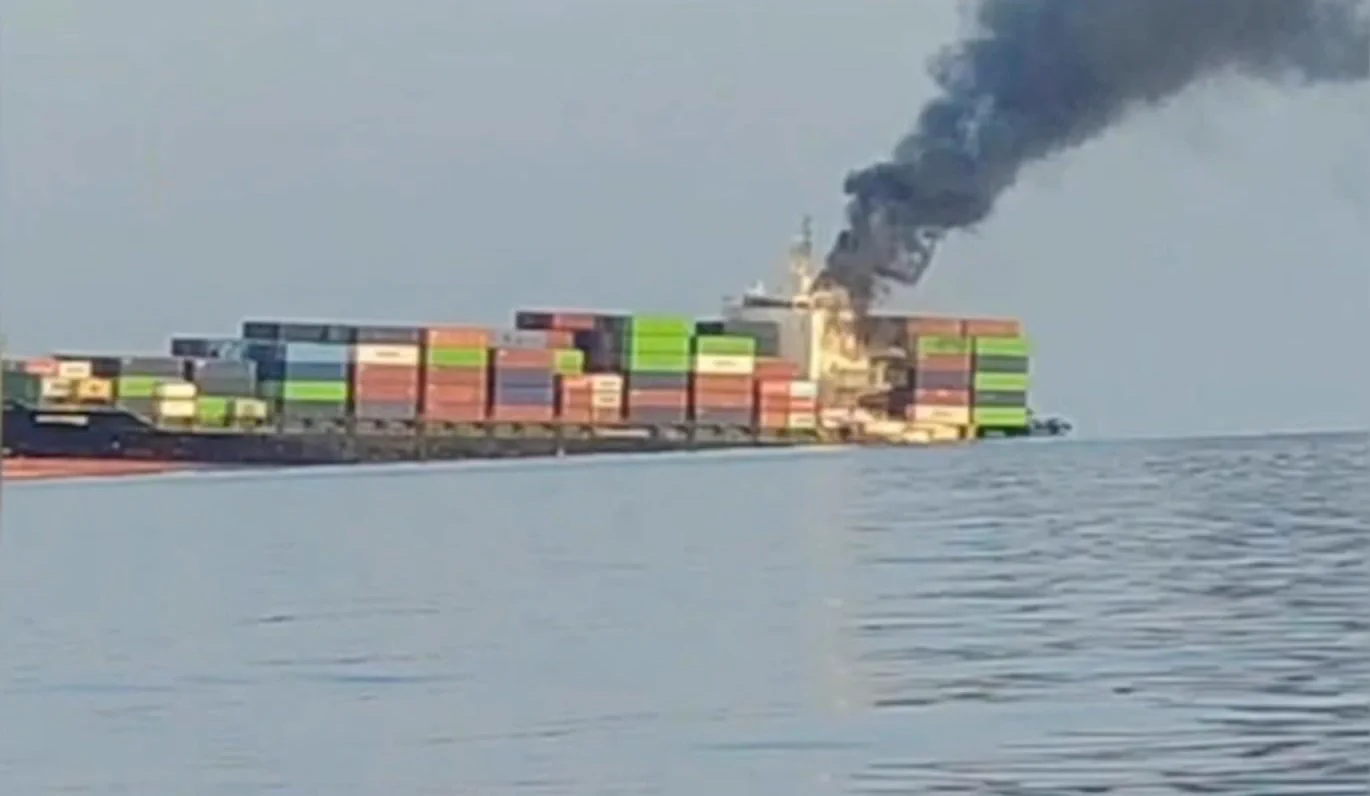
The Maritime and Port Authority of Singapore (MPA) said GFS Pride was struck by an unidentified object on October 13, 2026, while transiting the Strait of Hormuz. The vessel sustained damage and caught fire before subsequently sinking.
All 21 crew members were safely evacuated, with no injuries reported. Singaporean authorities expressed concern over the continued attacks on commercial vessels, describing such incidents as a threat to crew safety and international maritime navigation.
GFS Pride is a container ship with a capacity of approximately 2,824 TEU, equivalent to 2,824 twenty-foot containers. The incident has raised concerns across the maritime freight sector, particularly regarding vessel operations in high-risk areas of the Persian Gulf.
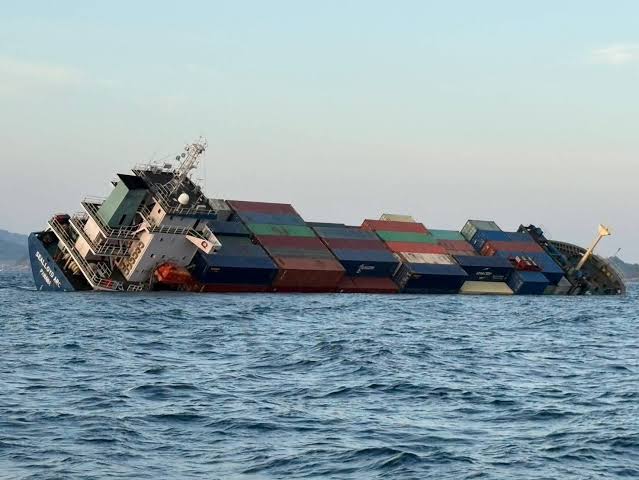
Cape Dao Sinks After September Attack
In a separate incident, the Cape Dao, flying the flag of Antigua and Barbuda, was attacked on September 23 before subsequently sinking near the Strait of Hormuz.
According to the International Maritime Organization (IMO), the initial attack killed one crew member, while the remaining crew members were evacuated.
The sinking of Cape Dao highlights how the consequences of maritime attacks can continue to unfold over an extended period, even when the initial incident occurred several weeks before the vessel sank.
GFS Giselle Damaged, Crew Members Safe
Meanwhile, the Singapore-registered container ship GFS Giselle was struck by an unidentified object on October 13–14, according to Singaporean authorities, sustaining damage to its hull.
However, the vessel remained capable of sailing under its own power and reached a safe anchorage. All 22 crew members were safe, and no injuries were reported.
The incidents involving all three vessels underscore the growing risks facing different types of commercial shipping near the Strait of Hormuz, a vital corridor for international trade and energy supplies.
IRGC Claims GFS Pride Sank After Striking a Sea Mine
Iran’s Islamic Revolutionary Guard Corps (IRGC) said GFS Pride sank after striking a sea mine while using a route that Iran claimed had not been authorized. The IRGC also warned other vessels to exercise caution when navigating the area.
However, Singaporean authorities said GFS Pride and GFS Giselle had been struck by unidentified objects. The causes of all the incidents and the parties responsible have yet to be independently confirmed.
IMO Reports Rising Maritime Incidents in the Middle East
According to the IMO, as of October 14, 2026, 113 maritime incidents had been confirmed in the Strait of Hormuz and the wider Middle East, with 24 crew fatalities confirmed.
These figures reflect the severity of the situation for crew safety and commercial shipping, particularly as attacks have occurred in rapid succession.
Maritime risk management company MARISKS has also warned that threats in the region are no longer limited to oil tankers but have expanded to container ships and dry cargo vessels, both of which play important roles in global supply chains.
Strait of Hormuz Critical to Global Oil Shipments and Trade
The Strait of Hormuz is a strategic maritime passage connecting the Persian Gulf with the Gulf of Oman and the Arabian Sea. Before the war, the route handled approximately one-fifth of global oil and liquefied natural gas trade.
Attacks on commercial vessels and restrictions on maritime traffic could therefore affect transit times, shipping schedules, insurance costs, and international freight planning.
For importers and exporters, these risks could force shipping companies to adjust routes, strengthen security measures, or consider alternative transportation options to avoid delays and minimize disruptions to cargo movements.
Implications for Oil Prices and the Supply Chain
Tensions around the Strait of Hormuz remain a key concern for energy markets, as disruptions to shipping through the waterway could affect the volume of oil reaching global markets.
In the logistics sector, attacks on commercial vessels could increase uncertainty surrounding transit times, freight rates, and marine insurance costs, particularly for cargo moving through the Middle East.
Exporters and importers should closely monitor maritime security developments, maintain communication with shipping lines, and prepare contingency plans for time-sensitive shipments.
Conclusion: Shipping Risks in the Strait of Hormuz Remain a Key Concern
The sinking of GFS Pride and Cape Dao, along with the damage sustained by GFS Giselle, highlights the growing risks facing maritime freight operations in the Middle East.
Although the crews of GFS Pride and GFS Giselle were safely evacuated or reached safety, the incidents demonstrate the uncertainty confronting multiple types of commercial vessels along one of the world’s most strategically important shipping routes.
Going forward, businesses should closely monitor updates from maritime authorities and shipping lines to prepare for potential delays, higher transportation costs, and disruptions to international supply chains.
Source :
PACIFIC STAR LOGISTICS CO.LTD
📞 +84 938 111 005
📩 info@pasl.com.vn
🏘️27-29 Ngo Thi Bi Street, Tan Hung Ward, Hochiminh City