
Ho Chi Minh City is developing a framework for its Free Trade Zone and integrated logistics zones to attract investment, improve transport connectivity and reorganize goods distribution. The initiative aims to reduce logistics costs, make better use of port infrastructure and strengthen business competitiveness.
Improving Connectivity and Reducing Reliance on Road Transport
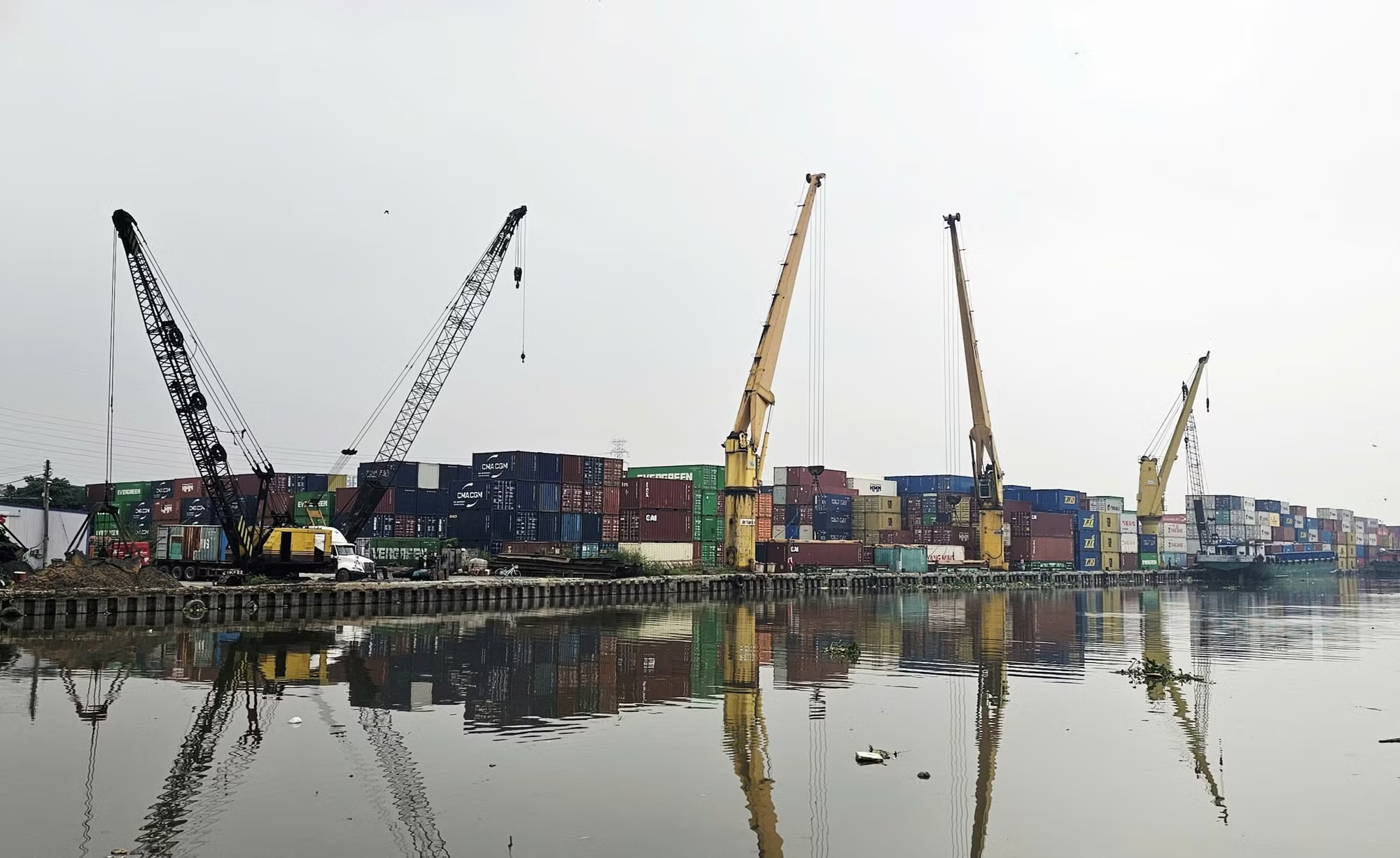
Ho Chi Minh City is home to more than 15,300 businesses operating in logistics, transport, warehousing, ports and related services. However, its warehouse network remains fragmented, with a shortage of large-scale distribution centers, while freight transport continues to rely heavily on roads.
Connections between roads, inland waterways, railways, seaports and airports are not yet fully integrated. Heavy vehicles traveling through densely populated areas increase congestion, prolong delivery times and put additional pressure on transport costs.
According to the Ho Chi Minh City People’s Committee, Vietnam’s logistics costs account for approximately 16–17% of GDP. Transport alone can represent 50–70% of total logistics costs, depending on the industry and transport mode. Reorganizing the logistics network is therefore considered an important step toward improving supply chain efficiency.
Linking Free Trade Development with Key Transport Hubs
In July 2026, the city issued a decision to establish the Ho Chi Minh City Free Trade Zone, associated with the seaport area at Cai Mep Ha and covering approximately 4,165.4 hectares.
The zone is positioned to connect with the Cai Mep–Thi Vai deep-water port complex, Can Gio International Transshipment Port and Long Thanh International Airport. Its development is intended to combine the city’s strengths in finance, trade and services with industrial production capacity and port and logistics infrastructure.
Alongside this initiative, the city plans to develop core logistics hubs at Cat Lai, Long Binh, Linh Trung, Tan Kien, Hiep Phuoc and other designated locations. Satellite facilities will support cargo collection, distribution and transshipment, improving connectivity across the network.
Streamlining Procedures and Supporting Investment and Green Development
The framework being developed provides for a maximum of 35 working days to appraise and decide on the establishment of a free trade zone, starting from the receipt of a complete and valid application. For an integrated logistics zone outside a free trade zone, the establishment procedure must be completed within 30 working days.
Administrative procedures will follow a coordinated, one-stop process without changing the authority of the agencies involved or introducing additional documentation or eligibility requirements beyond those prescribed by law.
Support policies for integrated logistics zones include loan interest subsidies and land rental exemptions for projects developing and operating zone infrastructure, subject to applicable regulations. Publicly funded support must meet eligibility requirements, remain within the city’s budget capacity and avoid overlapping assistance.
Alongside physical infrastructure, the city is prioritizing digital management platforms, shared databases, artificial intelligence, warehouse automation and clean energy. Combining investment mechanisms, multimodal connectivity and technology is expected to improve logistics services, reduce costs and strengthen international trade connections.
Source:
https://cand.vn
PACIFIC STAR LOGISTICS CO.LTD
📞 +84 938 111 005
📩 info@pasl.com.vn
🏘️27-29 Ngo Thi Bi Street, Tan Hung Ward, Hochiminh City